

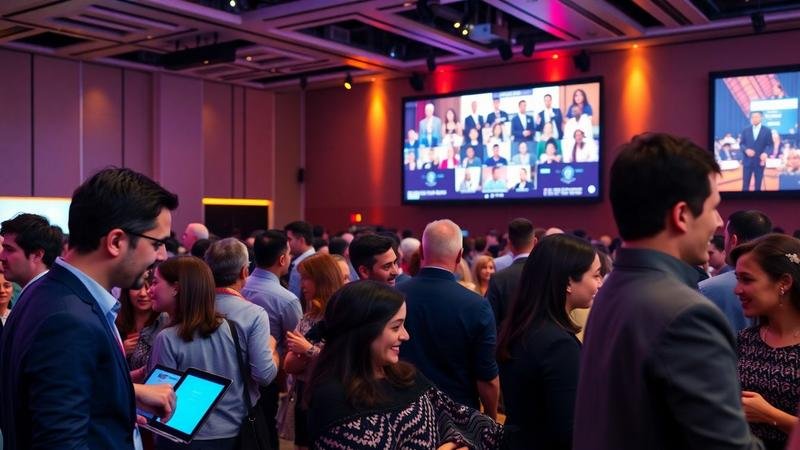
[META] Discover 2026’s top event management trends, enhancing hybrid experiences with cutting-edge technology. [META]
- Understanding the Shift to Hybrid Events
- Key Technologies Shaping Hybrid Events
- Enhancing User Experience in Hybrid Events
- Audience Engagement and Retention Strategies
- Leveraging Data Analytics for Hybrid Events
- Sustainability and Ethical Considerations
- Effective Use of Event Platforms
- The Role of Sponsorship and Partnerships
- Navigating Challenges in Hybrid Event Management
- Future Trends and Predictions
- Find Professional Support with Momenttuns
Hybrid Event Management Trends Enhancing Virtual and In-Person Experiences
Understanding the Shift to Hybrid Events
Event management trends in 2026 are increasingly focused on hybrid models, combining virtual and in-person elements. This evolution reflects a historical shift, driven by technological advancements and changing audience expectations. Hybrid events are now prevalent due to their ability to reach global audiences and provide flexible attendance options.
The Evolution of Hybrid Events: Historical Context and Current Landscape
The concept of hybrid events emerged as a necessity during global disruptions, evolving into a preferred format for its versatility and reach. The current landscape is characterized by sophisticated technology and increased demand for personalized experiences.
Key Drivers for the Growth of Hybrid Events in 2026
Several factors contribute to the growth of hybrid events, including globalization, technological advancements, and the need for sustainable solutions. These drivers make hybrid events an attractive option for organizers seeking to maximize impact and inclusivity.
Comparing Hybrid Events with Traditional and Fully Virtual Events
Hybrid events offer the best of both worlds, combining the tangible networking of in-person events with the accessibility of virtual platforms. This fusion allows for broader participation and enhanced engagement compared to traditional or fully virtual formats.
The Role of Globalization and Technology in Facilitating Hybrid Solutions
Globalization and technology have significantly influenced event management trends, enabling seamless integration of virtual and physical elements. Technologies such as high-speed internet and robust event platforms facilitate these hybrid solutions.
Trends in Audience Expectations and Their Impact on Hybrid Designs
Audience expectations have evolved, with a demand for interactive and engaging experiences. This shift impacts hybrid designs, prompting organizers to prioritize user engagement and satisfaction.
Key Technologies Shaping Hybrid Events
Immersive Technologies: VR, AR, and 3D Environments
Virtual Reality (VR), Augmented Reality (AR), and 3D environments are transforming hybrid events by providing immersive experiences that captivate audiences.
The Rise of AI and Machine Learning in Personalizing Event Experiences
AI and machine learning are pivotal in tailoring content to individual preferences, enhancing the overall event experience through personalized agendas and recommendations.
Streaming Technologies and Their Importance in Hybrid Events
Streaming technologies ensure seamless content delivery, crucial for maintaining engagement in hybrid events. High-quality streams facilitate real-time interaction and participation.
Mobile Apps as a Crucial Tool for Hybrid Event Engagement
Mobile apps serve as vital tools for engagement, providing attendees with schedules, networking opportunities, and real-time updates, enhancing the overall event experience.
Cloud-Based Solutions: Enhancing Flexibility and Accessibility
Cloud-based solutions offer the flexibility and scalability needed for hybrid events, ensuring that resources are accessible to both virtual and in-person attendees.
Enhancing User Experience in Hybrid Events
Personalized Content and Agenda Setting through AI
AI-driven personalization allows attendees to customize their event experience, selecting sessions and content that align with their interests.
Networking Opportunities: Bridging the Gap Between Virtual and In-Person
Hybrid events offer unique networking opportunities, connecting virtual and in-person attendees through innovative platforms and interactive sessions.
Engagement Strategies: Polls, Q&A, and Real-Time Feedback
Engagement strategies such as polls, Q&A, and real-time feedback are essential for maintaining audience interest and participation throughout the event.
Building Interactive and Immersive Breakout Sessions
Interactive breakout sessions, enhanced by immersive technologies, provide engaging and collaborative environments for deeper discussions and learning.
Ensuring Inclusivity and Accessibility for Diverse Audiences
Hybrid events prioritize inclusivity and accessibility, accommodating diverse audiences with features such as multilingual support and ADA-compliant platforms.
Audience Engagement and Retention Strategies
Content Marketing Techniques for Pre-Event Buzz
Effective content marketing creates anticipation and buzz, driving registration and engagement before the event.
Leveraging Social Media and Influencers for Extended Reach
Social media and influencer partnerships extend reach and amplify event messages, attracting a broader audience.
Gamification and Competition to Boost Interaction
Gamification introduces elements of competition and fun, boosting interaction and engagement among attendees.
Long-Term Audience Retention Post-Event
Post-event strategies focus on nurturing relationships and maintaining engagement through follow-up content and community building.
Measuring and Analyzing Engagement Metrics for Future Improvement
Analyzing engagement metrics provides insights for future events, enabling continuous improvement and optimization.
Leveraging Data Analytics for Hybrid Events
Real-Time Data Collection and Its Uses During Events
Real-time data collection allows organizers to make informed decisions and adapt strategies during the event.
Utilizing Predictive Analytics for Audience Segmentation
Predictive analytics enables effective audience segmentation, tailoring experiences to different attendee groups.
Post-Event Data Analysis: Extracting and Interpreting Key Insights
Post-event analysis helps extract valuable insights, guiding future event planning and strategy development.
Tools and Platforms for Effective Data Management
Advanced tools and platforms streamline data management, ensuring accurate collection, analysis, and reporting.
Enhancing ROI Through Data-Driven Decision Making
Data-driven decision making enhances ROI by optimizing resources and improving event outcomes.
Sustainability and Ethical Considerations
Hybrid Events as a Solution to Reduce Carbon Footprint
Hybrid events significantly reduce carbon footprints by minimizing travel and resource use.
Balancing Digital and Physical Elements for Sustainable Practices
Sustainable practices balance digital and physical elements, promoting eco-friendly event solutions.
Ethical Concerns and Privacy Issues in Data Collection
Addressing ethical concerns and privacy issues is crucial, ensuring trust and compliance with regulations.
Adopting Green Technologies and Eco-Friendly Materials
Green technologies and eco-friendly materials contribute to sustainable event planning and execution.
Promoting Inclusivity and Diversity in Event Planning
Inclusivity and diversity are central to modern event planning, ensuring all voices are represented and heard.
Effective Use of Event Platforms
Choosing the Right Hybrid Event Platform: Criteria and Considerations
Selecting the right platform is crucial, considering features, scalability, and user experience.
Integrating Features: From Ticketing to Post-Event Surveys
Integration of features like ticketing and surveys enhances the attendee experience and provides valuable feedback.
Security and Compliance in Hybrid Event Platforms
Security and compliance are critical, protecting data and ensuring adherence to regulations.
Case Studies: Successful Hybrid Events Hosted by XYZ Brand
Case studies provide insights into successful hybrid events, showcasing best practices and innovative solutions.
Future Trends in Event Platform Development
Future trends in platform development focus on enhancing user experience and integrating advanced technologies.
The Role of Sponsorship and Partnerships
Building Mutually Beneficial Relationships with Sponsors
Strong relationships with sponsors enhance event success and provide mutual benefits.
Innovative Sponsorship Packages: Blending Digital and Physical Offerings
Innovative sponsorship packages combine digital and physical offerings, maximizing exposure and engagement.
Strategic Partnerships to Expand Audience Base
Strategic partnerships expand reach and attract diverse audiences, enhancing event impact.
Case Studies: Successful Sponsorship Models in 2026
Case studies of successful sponsorship models offer insights into effective strategies and outcomes.
Measuring the Impact of Sponsorship on Hybrid Event Success
Measuring sponsorship impact provides valuable insights for optimizing strategies and improving future events.
Navigating Challenges in Hybrid Event Management
Technical Challenges and Solutions in Hybrid Event Execution
Overcoming technical challenges requires innovative solutions and robust infrastructure.
Managing Time Zones and Global Audiences
Managing time zones and global audiences demands careful planning and flexible scheduling.
Budget Considerations for Hybrid Events
Budgeting for hybrid events involves balancing costs with expected outcomes and ROI.
Crisis Management and Contingency Planning
Crisis management and contingency planning ensure preparedness for unforeseen challenges.
Ensuring Compliance with Health and Safety Regulations
Compliance with health and safety regulations is essential, protecting attendees and staff.
Future Trends and Predictions
Emerging Technologies and Their Potential Impact on Hybrid Events
Emerging technologies promise to revolutionize hybrid events, offering new opportunities for engagement and interaction.
The Influence of Global Events on Hybrid Event Management
Global events shape event management trends, influencing strategies and priorities.
Long-Term Projections for the Growth of Hybrid Events
The hybrid event market is expected to grow, driven by demand for flexible and engaging experiences.
Innovations in Audience Interaction and Engagement
Innovations in interaction and engagement enhance attendee experiences, fostering deeper connections.
The Evolution of Hybrid Events: What to Expect Beyond 2026
The future of hybrid events lies in continuous innovation and adaptation, meeting evolving audience needs.
Find Professional Support with Momenttuns
Momenttuns connects users with verified providers and experts, offering a network of trusted professionals in the event management industry. Whether you’re planning a hybrid, virtual, or in-person event, Momenttuns provides the resources and expertise needed to ensure success and satisfaction.
In conclusion, understanding and leveraging current event management trends is crucial for creating impactful hybrid experiences. As we look to the future, these trends will continue to shape the industry, offering exciting opportunities for innovation and growth.