

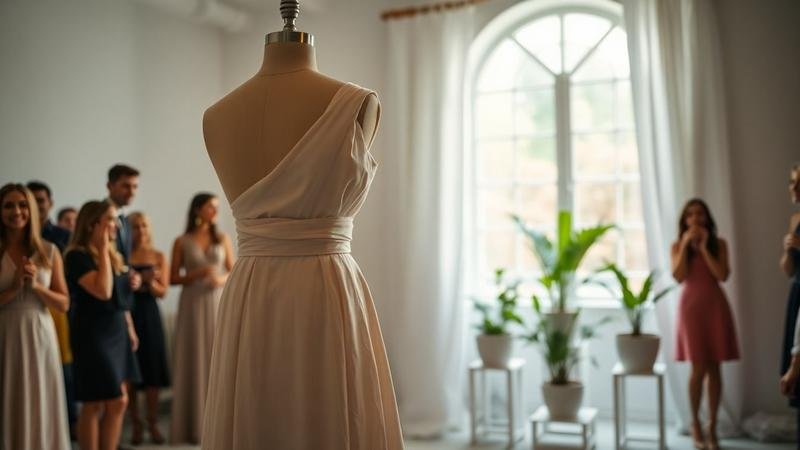
Introduction to Eco-Friendly Bridal Fabrics in 2026
In 2026, the bridal industry is witnessing a profound transformation with the rise of eco-friendly bridal fabrics. These sustainable bridal fabric trends are not only reshaping the aesthetics of wedding attire but also profoundly impacting the industry’s environmental footprint. The importance of these trends cannot be overstated, as they align the bridal industry with global sustainability efforts, offering brides an opportunity to make conscientious choices without compromising on elegance or style. As eco-awareness becomes increasingly ingrained in consumer consciousness, these fabrics represent a significant shift towards a more responsible and enlightened approach to bridal fashion.
The introduction of eco-friendly fabrics has markedly reduced the bridal industry’s carbon footprint. Traditional bridal fabrics are often resource-intensive, but sustainable alternatives like organic cotton, Tencel, and recycled polyester are now at the forefront, reducing water usage and chemical pollutants. This shift is crucial as the fashion industry, including bridal wear, is a significant contributor to global carbon emissions. By adopting eco-friendly materials, the industry contributes to a positive environmental impact, significantly lowering greenhouse gas emissions and promoting resource conservation. This environmentally conscious movement is a clear indicator of the industry’s commitment to sustainable practices.
Advancements in textile technology have been instrumental in the development of sustainable bridal fabrics. Innovations such as waterless dyeing techniques, biodegradable fibers, and fabric recycling methods are pioneering sustainable practices in textile production. These technological advancements not only enhance the sustainability of bridal fabrics but also improve their quality, texture, and versatility. As a result, brides now have access to fabrics that are not only environmentally friendly but also luxurious and diverse in style. The integration of technology and sustainability is setting a new standard for bridal fashion in 2026.
Several key factors are driving the demand for eco-friendly bridal materials. Increasing environmental awareness among consumers, coupled with a desire for unique and personalized wedding attire, is propelling this demand. Brides are now more informed and conscious of the environmental impact of their choices, leading them to seek out sustainable options. Additionally, the growing influence of social media and celebrity endorsements of eco-friendly fashion is further fueling this trend. This demand is also supported by a cultural shift towards valuing sustainability and ethical production practices, reflecting a broader change in consumer priorities.
Brides themselves play a pivotal role in advocating for sustainable fashion choices. By choosing eco-friendly bridal fabrics, they contribute to a larger movement towards ethical fashion. This choice resonates beyond the personal, influencing bridal designers and manufacturers to adopt sustainable practices. Brides are increasingly using their weddings as platforms to promote environmental consciousness, showcasing the beauty and viability of eco-friendly alternatives. This shift in consumer behavior is not only transforming the bridal industry but also encouraging a broader acceptance of sustainability in fashion.
Global sustainability initiatives have a significant influence on bridal trends, encouraging the adoption of eco-friendly practices. International agreements and local regulations aimed at reducing carbon emissions and promoting sustainable development have propelled the fashion industry, including bridal wear, to reconsider its environmental impact. These initiatives have led to increased research and investment in sustainable materials, encouraging designers to experiment with innovative and eco-friendly fabrics. This global push towards sustainability is fostering a new era of bridal fashion that is both stylish and responsible.
When comparing traditional bridal fabrics with their eco-friendly counterparts, the differences are stark. Traditional fabrics, often derived from non-renewable resources, tend to have a higher environmental cost. In contrast, eco-friendly bridal fabrics are made from renewable and recyclable materials, offering a sustainable alternative without sacrificing quality or appearance. The comparative benefits of these fabrics include reduced environmental impact, ethical production processes, and a growing array of design options. This shift in preference is not only environmentally beneficial but also reflects the changing values of modern brides who prioritize sustainability and ethics in their wedding attire.
For more insights on sustainable bridal fashion, visit Momenttuns.
Top Sustainable Fabrics for Bridal Wear
As the demand for environmentally responsible fashion continues to rise, brides are more frequently turning to sustainable fabric options for their wedding attire. One of the most popular choices is organic cotton. Known for its soft texture and breathability, organic cotton is cultivated without harmful pesticides or synthetic fertilizers. This makes it an excellent choice for eco-conscious brides who are committed to reducing their carbon footprint. Additionally, organic cotton’s hypoallergenic properties make it ideal for sensitive skin, ensuring that brides remain comfortable and irritation-free throughout their special day.
Another fabric gaining prominence in the sustainable bridal scene is hemp. Renowned for its durability and versatility, hemp fabric not only offers a rustic yet elegant aesthetic but also requires significantly less water than conventional cotton during cultivation. This makes it a sustainable powerhouse in bridal fashion. Its natural resistance to pests eliminates the need for chemical treatments, further enhancing its eco-friendly credentials. Brides opting for hemp fabrics are not only choosing an exquisite material but are also making a statement about conscious consumption.
The introduction of Tencel into the bridal industry marks a significant advancement in sustainable fashion. Tencel is derived from sustainably sourced wood pulp and boasts a closed-loop production process that recycles water and solvents with minimal emissions. This innovation results in a fabric that is not only biodegradable but also luxuriously soft and breathable. Brides wearing Tencel can enjoy a gown that drapes beautifully while knowing that their choice supports environmental sustainability.
Bamboo fabric is also making waves in the realm of bridal wear. Known for its silky feel and natural sheen, bamboo fabric is both lightweight and strong. The fast-growing nature of bamboo means that it is highly renewable, and its cultivation requires no chemical pesticides or fertilizers. Modern bridal gowns crafted from bamboo offer a contemporary look infused with an eco-friendly ethos, appealing to brides who seek both style and sustainability.
Recycled polyester is another fabric reshaping the landscape of environmentally conscious bridal fashion. By repurposing plastic waste, recycled polyester not only reduces landfill dependency but also conserves energy compared to virgin polyester production. This sustainable approach results in a fabric that offers excellent durability and versatility, allowing designers to create stunning, long-lasting bridal gowns without compromising on environmental ethics.
Peace silk, also known as Ahimsa silk, stands as a testament to ethical fashion innovation. Unlike traditional silk production, which involves harming the silkworms, peace silk is harvested without killing the creatures. This humane approach results in a fabric that retains the luxurious feel of silk while aligning with cruelty-free principles. Brides who choose peace silk are embracing a fabric that symbolizes compassion and elegance, making it a perfect choice for a wedding day.
Lastly, the utilization of Piñatex is revolutionizing bridal fashion with its unique environmental benefits. Made from the fibers of pineapple leaves, Piñatex is a byproduct of existing agriculture, requiring no additional land, water, or fertilizers. This innovative material offers a leather-like texture that is both durable and chic. As a testament to its sustainability, Piñatex provides an ethical alternative for brides seeking to make a bold fashion statement while minimizing their environmental impact.
Innovative Techniques for Eco-Friendly Bridal Dresses
In 2026, the wedding industry is undergoing a significant transformation as eco-friendly bridal dresses take center stage. The incorporation of cutting-edge technologies such as 3D printing is dramatically influencing how sustainable bridal designs are conceived. By utilizing 3D printing, designers can create intricate lace patterns and complex structures that would be nearly impossible to achieve through traditional methods. This not only allows for unparalleled creativity but also minimizes waste by using only the exact amount of material needed. The precision of 3D printing ensures that every inch of fabric serves a purpose, aligning perfectly with the principles of sustainable fashion.
The adoption of zero-waste pattern cutting techniques further enhances the sustainability of bridal gowns. These methods focus on maximizing fabric use by designing patterns that fit together like a puzzle, leaving little to no scrap material. By carefully planning the layout of each piece, designers can reduce textile waste significantly. This approach is particularly important in the context of bridal wear, where luxurious fabrics are often expensive and resource-intensive to produce. Implementing zero-waste techniques can lead to cost savings and a smaller environmental footprint, making them a vital component of modern bridal fashion.
Another crucial element in the evolution of eco-friendly bridal dresses is the use of plant-based dyeing methods. These techniques utilize natural dyes derived from plants, flowers, and even insects to produce vibrant, long-lasting colors. Plant-based dyes offer a sustainable alternative to synthetic options, which often contain harmful chemicals and contribute to environmental pollution. By embracing natural dyeing methods, designers can ensure that their creations are not only beautiful but also environmentally responsible.
Upcycling vintage materials into contemporary bridal wear is a trend that continues to gain momentum. By repurposing antique lace, beading, and textiles, designers can create unique, one-of-a-kind gowns that resonate with brides seeking originality and sustainability. Upcycling not only preserves the craftsmanship of bygone eras but also reduces the demand for new materials, thereby conserving resources and promoting a circular fashion economy.
Integration of circular fashion principles in bridal collections is another innovative approach gaining traction in 2026. Circular fashion emphasizes designing garments with their entire lifecycle in mind, ensuring that they can be easily recycled or repurposed at the end of their use. This involves selecting materials that are biodegradable or recyclable and designing with disassembly in mind. By adopting these principles, bridal designers can contribute to a more sustainable fashion industry and inspire brides to consider the environmental impact of their wedding attire.
Diverse applications of biodegradable materials in bridal gowns are also making waves in the industry. These materials, which decompose naturally without harming the environment, are ideal for wedding dresses that are typically worn only once. By choosing biodegradable fabrics, designers can offer brides an eco-friendly option that aligns with their values while maintaining the elegance and sophistication expected of bridal wear.
Customization strategies for sustainable bridal attire are becoming increasingly popular as brides seek to personalize their gowns in environmentally conscious ways. From choosing eco-friendly fabrics and embellishments to selecting designs that reflect their personal style while minimizing environmental impact, brides have more options than ever before. Customization allows for the creation of a dress that is not only a reflection of the bride’s individuality but also a testament to her commitment to sustainability.
By embracing these innovative techniques, the bridal industry is leading the way in sustainable fashion, setting new standards for creativity, responsibility, and elegance in 2026.
Learn more about sustainable fashion trends here.
Challenges and Solutions in Eco-Friendly Bridal Fashion
In 2026, the bridal fashion industry is facing significant challenges as it moves towards more sustainable practices, particularly in sourcing eco-friendly materials. One of the primary hurdles is the limited availability of sustainable fabric options that meet the high standards required for bridal wear. Designers and manufacturers often struggle to find suppliers who can provide materials that are both environmentally friendly and luxurious enough for wedding gowns. The demand for innovative solutions is high, prompting a surge in research and development aimed at creating new textiles that satisfy these dual needs.
The higher costs associated with eco-friendly materials present another significant challenge. Many sustainable fabrics, such as organic silk or recycled lace, are more expensive to produce and source than their conventional counterparts. This cost disparity can make eco-friendly bridal gowns less accessible to the average consumer, posing a barrier to widespread adoption. As a solution, some designers are exploring the use of blended fabrics that incorporate sustainable fibers, which can help reduce costs while still offering environmental benefits.
Misconceptions about the durability and quality of sustainable fabrics also persist, deterring both designers and consumers from fully embracing them. However, advancements in textile technology have significantly improved the strength and longevity of many eco-friendly materials. Educating both industry professionals and consumers about these improvements is crucial for overcoming these outdated perceptions. Marketing initiatives that highlight the robustness and quality of sustainable fabrics can play a key role in shifting public opinion.
Scaling production while maintaining eco-conscious standards is another complex issue. As demand for sustainable bridal wear grows, manufacturers must find ways to increase output without compromising on their environmental commitments. This often involves investing in new machinery and processes that reduce waste and energy consumption. Collaborative efforts within the industry, such as shared resources and best practices, can aid in this transition, ensuring that sustainability does not come at the expense of scalability.
Balancing aesthetics with sustainability is an ongoing challenge for bridal designers. While eco-friendly materials are becoming more sophisticated, they must still meet the high aesthetic standards expected of bridal fashion. Designers are increasingly experimenting with innovative techniques to enhance the visual appeal of sustainable fabrics, ensuring that brides do not have to sacrifice style for sustainability. This creative approach is helping to redefine bridal fabric trends, making eco-friendly choices more appealing to fashion-forward brides.
Consumer education is a vital component in the move towards sustainable bridal fashion. Many consumers are unaware of the environmental impact of traditional bridal fabrics and the benefits of making more sustainable choices. Educational campaigns, both online and in-store, can raise awareness and encourage brides to consider eco-friendly options. Highlighting the positive impact of sustainable choices on the environment can motivate consumers to support brands that prioritize sustainability.
Lastly, the bridal industry is witnessing an increase in collaborative efforts aimed at driving sustainability. Designers, manufacturers, and retailers are joining forces to share resources and knowledge, fostering a community dedicated to eco-friendly practices. This collaboration is essential for setting industry-wide standards and encouraging innovation in sustainable fabric production. By working together, the industry can more effectively address the challenges of eco-friendly bridal fashion and promote lasting change.
The Future of Bridal Fashion: Sustainability Trends for 2026 and Beyond
As we look toward 2026 and beyond, the bridal fashion industry is poised for transformative changes driven by sustainability. Innovations in sustainable fabric technology are at the forefront, with materials such as organic cotton, hemp, and Tencel gaining traction. These eco-friendly alternatives are being developed to offer the same luxurious feel and aesthetic appeal as traditional bridal fabrics, without the ecological footprint. Advanced recycling processes and bio-fabrication techniques are also expected to revolutionize how materials are sourced and manufactured, leading to a significant reduction in waste and resource consumption.
The growing awareness of climate change is dramatically influencing bridal trends. Brides are increasingly conscious of their environmental impact, seeking gowns that reflect their values. This shift is prompting designers to adopt practices that minimize carbon emissions and prioritize sustainable sourcing. The impact of this awareness is further amplified by digital platforms, which play a crucial role in promoting sustainable bridal fashion. Social media, online marketplaces, and e-commerce sites are not only showcasing eco-friendly designs but also educating consumers about the importance of choosing sustainable options.
Regulations and standards in sustainable bridal textiles are expected to become more stringent by 2026. Governments and industry bodies are likely to implement policies that encourage transparency in sourcing and production processes. These regulations will ensure that bridal brands adhere to ethical practices, fostering a market where sustainability is the norm rather than the exception. Emerging designers are at the forefront of this movement, pioneering innovative approaches to create eco-friendly bridal collections that do not compromise on style or elegance.
Consumer behavior is a significant driver of change, with a noticeable shift towards sustainable bridal fashion. Brides today are more informed and demand accountability from brands, seeking options that align with their ethical and environmental values. This change in consumer mindset is encouraging designers and manufacturers to prioritize sustainability in their offerings. The long-term benefits of adopting sustainable bridal fashion practices are substantial. Not only do they contribute to environmental preservation, but they also enhance brand reputation and customer loyalty. As these trends continue to evolve, the bridal industry is set to embrace a future where sustainability is integral to every aspect of fashion design.
In conclusion, as we move towards 2026, the emphasis on sustainability within the bridal fashion industry is expected to intensify. The innovations in fabric technology, bolstered by increased climate awareness and stringent regulations, will drive a new era of eco-conscious bridal wear. Designers and consumers alike are embracing this shift, ensuring that bridal fashion not only celebrates love but also respects our planet. For more insights, visit Momenttuns.