

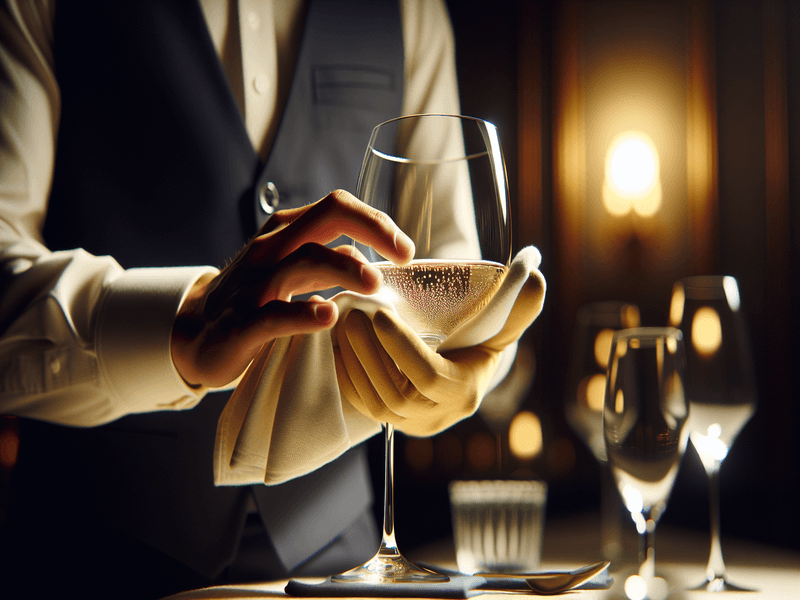
- Best Glassware Polishing Techniques for Restaurants
- Understanding the Basics
- Manual vs. Machine Polishing
- Eco-Friendly Glass Polishing Solutions
- Techniques for Different Glass Types
- Best Tools and Materials
- Training and Efficiency
- Troubleshooting Common Issues
- Maintaining Standards and Reputation
- Conclusión
- Additional Resources
Best Glassware Polishing Techniques for Restaurants
Master the best glassware polishing techniques for restaurants to achieve sparkling results every time. This ultimate guide reveals expert tips for flawless presentation and enhanced customer experience. In today’s competitive restaurant industry, the presentation holds as much value as the culinary offerings. Shiny, spotless glassware can elevate a dining experience, symbolizing the establishment’s attention to detail and commitment to quality. As such, the best glassware polishing techniques for restaurants have become a focal point for restaurateurs aiming to enhance both their reputation and customer satisfaction.
The significance of pristine glassware cannot be overstated. It plays a crucial role in leaving a memorable impression on diners, influencing their perception of the restaurant’s overall cleanliness and professionalism. Moreover, well-maintained glassware can lead to economic benefits by reducing breakage and extending the lifespan of the inventory. With the rising focus on hygiene and aesthetics, mastering the best glassware polishing techniques for restaurants is essential for any establishment seeking to thrive in today’s market.
The trend towards impeccable glassware care has gained momentum due to increasing customer expectations and the widespread sharing of dining experiences on social media platforms. A single photograph of a sparkling glass can attract potential customers, while an image of a smudged glass can deter them. Hence, restaurants are increasingly investing in the best glassware polishing techniques for restaurants to ensure they meet modern standards of excellence.
In this comprehensive guide, we will delve into the science behind achieving streak-free shine, compare manual and machine polishing methods, explore eco-friendly solutions, and provide tailored techniques for different types of glassware. We will also discuss the importance of staff training, troubleshooting common issues, and maintaining high standards to uphold a restaurant’s reputation. By the end of this guide, you will be equipped with the knowledge to implement the best glassware polishing techniques for restaurants, ensuring your establishment leaves a lasting, positive impression on every guest.
Understanding the Basics
The art of glassware polishing begins with understanding the science behind achieving a streak-free shine. At its core, polishing involves the removal of water spots, fingerprints, and other residues that can mar the surface of the glass. The key is to use a combination of heat, pressure, and the right materials to achieve a flawless finish. The process is influenced by factors such as the type of glass, the cleaning agents used, and the ambient humidity.
One crucial distinction in glassware care is the difference between sanitizing and polishing. Sanitizing involves the use of chemicals or heat to eliminate bacteria and pathogens, ensuring the glass is safe for use. Polishing, on the other hand, focuses on the aesthetic aspect, removing any blemishes that can affect the appearance of the glass. Both processes are essential, but they serve different purposes in the maintenance of glassware.
Water hardness is another factor that significantly impacts the effectiveness of polishing. Hard water contains high levels of minerals, such as calcium and magnesium, which can leave unsightly spots on glass surfaces. To combat this, many establishments use water softeners or distilled water to rinse glassware, preventing mineral deposits from forming.
- Use distilled water for the final rinse to prevent mineral spots.
- Separate sanitizing and polishing processes to ensure both hygiene and aesthetics.
- Control ambient humidity to reduce streaks during polishing.
Manual vs. Machine Polishing
In the quest for the best glassware polishing techniques for restaurants, one must consider the merits of manual versus machine polishing. Manual polishing, though labor-intensive, allows for meticulous attention to detail. This method involves using high-quality microfiber cloths and specific hand movements to achieve a streak-free shine. It is ideal for establishments where personalized care is paramount.
On the other hand, machine polishing offers consistency and efficiency, especially in high-volume settings. Machines like the Bar Maid GP-100 Glass Polisher and the Hamilton Beach Commercial Glass Washer are popular choices among restaurateurs. These devices can handle multiple glasses simultaneously, reducing the time and labor required for polishing.
When choosing a polishing method, consider factors such as the volume of glassware, the skill level of the staff, and budget constraints. While machines offer a high initial cost, they can save money in the long run by reducing labor expenses.
- Evaluate the volume of glassware to determine the best polishing method.
- Invest in a reliable glass polishing machine for high-volume settings.
- Train staff on proper manual polishing techniques for special occasions.
Eco-Friendly Glass Polishing Solutions
With growing environmental awareness, many restaurants are seeking eco-friendly solutions as part of the best glassware polishing techniques for restaurants. These methods not only reduce environmental impact but can also enhance the establishment’s reputation among eco-conscious patrons.
Eco-friendly polishing often involves using biodegradable cleaning agents and reusable microfiber cloths. Products like Seventh Generation’s Free & Clear Glass Cleaner and E-Cloth Glass & Polishing Cloths are popular in the industry. These options minimize chemical runoff and reduce waste, aligning with sustainable practices.
Implementing green methods can also improve customer perception. Many diners appreciate efforts to reduce environmental impact, and this can translate into positive reviews and customer loyalty. Additionally, eco-friendly practices often result in cost savings by reducing the need for disposable products.
- Choose biodegradable cleaning agents for glassware maintenance.
- Utilize reusable microfiber cloths to minimize waste.
- Educate staff on eco-friendly practices to enhance sustainability.
Techniques for Different Glass Types
Different types of glassware require specific techniques to achieve the best glassware polishing techniques for restaurants. Each type of glass has unique characteristics that dictate the approach to polishing.
For wine glasses, the key is to avoid excessive handling of the bowl to prevent fingerprints. A gentle, circular motion with a soft cloth, such as the Zwiesel Glas polishing cloth, ensures a pristine finish. It is also important to support the base and stem to prevent breakage during polishing.
Bar glasses and cocktail cups often require more attention due to their frequent use and intricate designs. A polishing wand, like the Franmara Polishing Wand, can reach difficult areas and ensure a thorough clean. Special care should be taken to avoid scratching the surface, particularly with glasses that have etched designs.
Preventing etching in glassware is crucial, as it can permanently damage the surface. This can be achieved by avoiding harsh chemicals and using soft water for rinsing. Additionally, rotating glassware regularly can prevent wear and tear in frequently used items.
- Use gentle, circular motions to polish wine glasses.
- Employ a polishing wand for intricate bar glasses.
- Rotate glassware regularly to prevent etching and wear.
Best Tools and Materials
Investing in the right tools is integral to mastering the best glassware polishing techniques for restaurants. Quality materials not only improve polishing results but also enhance efficiency and safety.
Microfiber cloths are a staple in glassware polishing due to their softness and absorbency. Brands like Norwex and Zwiesel Glas offer cloths specifically designed for streak-free cleaning. These cloths prevent scratches and ensure a spotless shine, making them an essential tool in any restaurant.
Beyond cloths, tools like the Franmara Polishing Wand and the Bar Maid Electric Glass Polisher simplify the process and reduce the risk of breakage. Setting up a dedicated polishing station with these tools can streamline operations and ensure consistent quality.
- Invest in high-quality microfiber cloths for optimal results.
- Set up a dedicated polishing station with essential tools.
- Regularly inspect tools for wear and replace as needed.
Training and Efficiency
Effective training is crucial for staff to implement the best glassware polishing techniques for restaurants. Proper instruction ensures consistency, safety, and efficiency in glassware maintenance.
Training programs should cover the science of polishing, proper handling techniques, and the use of tools and machines. Demonstrations and hands-on practice can reinforce learning and improve skill levels. It is also beneficial to establish standard operating procedures to ensure uniformity across the team.
Efficiency can be enhanced by organizing the workflow to minimize unnecessary steps. Implementing a color-coded system for cloths and tools can further streamline operations, reducing the time spent searching for specific items.
- Develop comprehensive training programs for staff.
- Implement standard operating procedures for consistency.
- Organize tools and materials to streamline workflow.
Troubleshooting Common Issues
Despite best efforts, issues such as cloudy glassware and stubborn stains can arise. Addressing these challenges is part of mastering the best glassware polishing techniques for restaurants.
Cloudiness often results from mineral deposits or detergent residue. A vinegar solution can be effective in removing these deposits, restoring clarity. For lipstick stains, a gentle scrub with baking soda followed by a thorough rinse can eliminate the marks without damaging the glass.
Safe handling practices are essential to prevent breakage. Staff should be trained to handle glassware with care, supporting both the base and stem, and avoiding excessive force. Regular inspections for chips and cracks can also prevent accidents and maintain safety standards.
- Use a vinegar solution to clear cloudy glassware.
- Employ baking soda for removing stubborn lipstick stains.
- Conduct regular inspections for chips and cracks.
Maintaining Standards and Reputation
The importance of clean glassware extends beyond aesthetics; it is integral to maintaining a restaurant’s reputation. The best glassware polishing techniques for restaurants ensure that customers perceive the establishment as professional and hygienic.
Implementing stringent hygiene standards is crucial. This includes regular sanitation of glassware and ensuring that all staff adhere to these standards. Consistency in presentation can significantly impact customer satisfaction and loyalty.
Restaurants that prioritize glassware maintenance often enjoy better reviews and increased patronage. In a competitive market, every detail matters, and spotless glassware can be a distinguishing factor for discerning diners.
- Implement regular sanitation protocols for glassware.
- Ensure staff adherence to hygiene standards.
- Monitor customer feedback to maintain quality standards.
Conclusión
In conclusion, mastering the best glassware polishing techniques for restaurants is paramount for ensuring a positive dining experience and maintaining an establishment’s reputation. From understanding the basics and choosing the right methods to investing in quality tools and training staff effectively, each element plays a vital role in achieving sparkling results.
Regular maintenance and dedication to high standards are essential for maintaining the pristine condition of glassware. By implementing these professional techniques, restaurants can enhance their presentation, satisfy customers, and ultimately, drive success.
Take action today to integrate these best glassware polishing techniques for restaurants into your establishment’s routine, and watch as your reputation for excellence grows.
Additional Resources
- To learn more about our platform, visit momenttuns.com.
- To learn about our service providers, visit our directory.
- To learn about our memberships, visit our memberships.
- Connect with us on social media: Facebook.